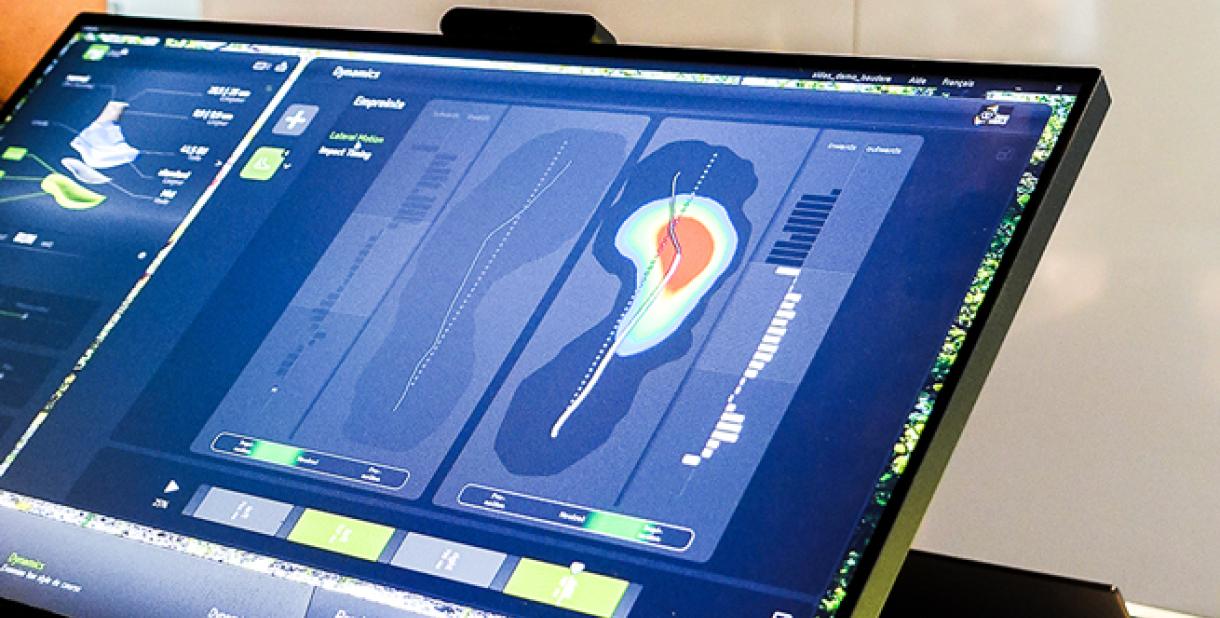
Foot Length: The Foundation of Everything
The goal is not only to know the shoe size, but also to adjust the size according to the usage (running, skiing, hiking) and the customer's specific practice level (recreational or expert for a skier, short or long distance for a runner...).
A key point not to overlook: customers do not always have the correct shoe size in mind. The scan allows you to start fresh on a reliable and objective basis.
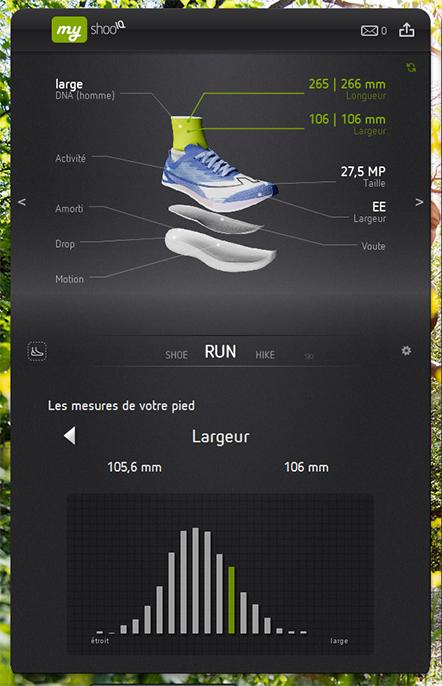
Foot Width: A Frequently Underestimated Criterion
This is one of the most differentiating factors when choosing a shoe, and this data is essential for guiding customers toward the right brands or models.
A poor fit in terms of width is often the cause of discomfort, chafing, or poor support. T
o put it simply: narrow, standard, or wide. For greater precision, data collected from scanners in use allows us to cross-reference length and width on a graph to refine the categorization.
Pressure Distribution: Understanding How the Foot Functions
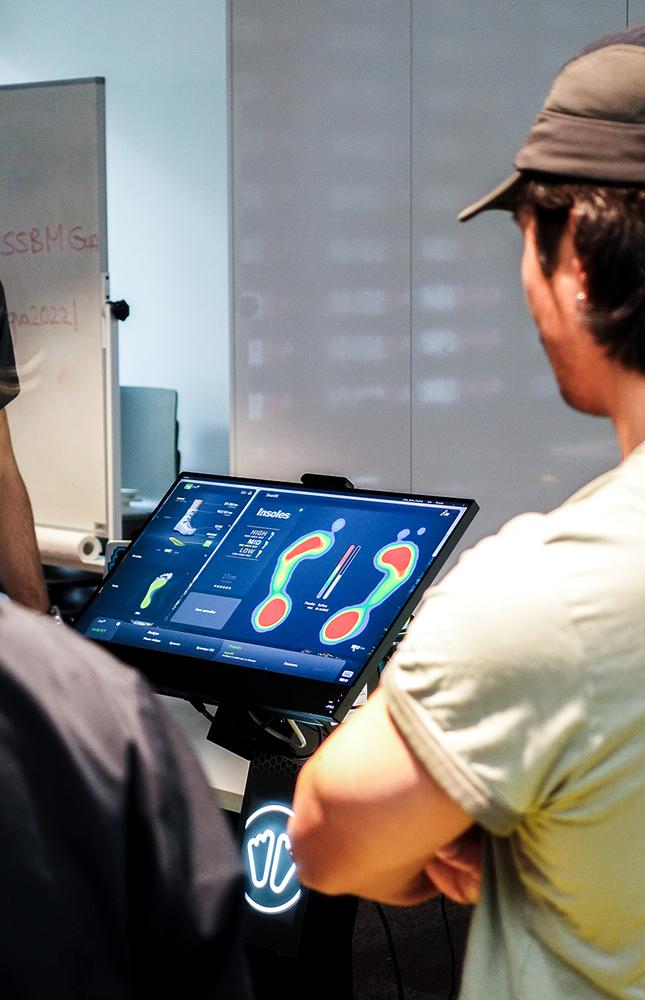
Analyzing pressure patterns visualizes overload zones, dominant support areas (forefoot, heel...), and imbalances between both feet.
This is key information for guiding customers toward an appropriate shoe type, especially in running, and for recommending insoles when necessary.
It is also an excellent visual aid to explain to customers what they sometimes feel without being able to articulate it.
The Arch
The Feetbox helps identify the arch type:
Low (flat foot), Mid (standard foot), or High (high-arched foot).
This data directly impacts the level of support required, the choice of appropriate insoles, and the overall shoe fit.
A word of caution, however: this metric alone must always be cross-checked with customer feedback.
Asymmetries
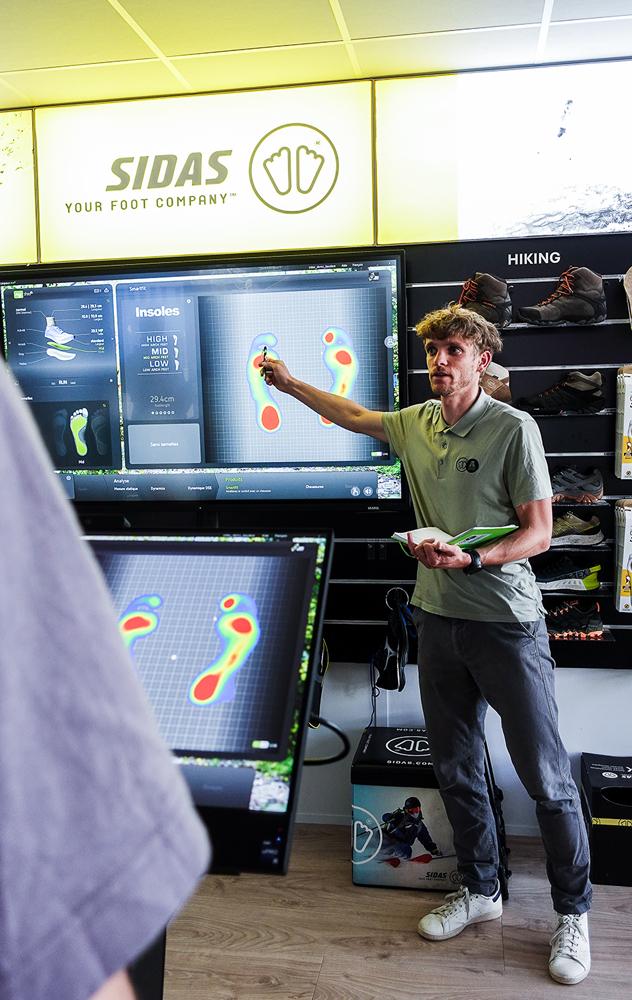
In the vast majority of cases, feet are not perfectly identical.
The Feetbox highlights differences in size, distinct pressure points, or postural imbalances.
This information is valuable for explaining certain discomforts, offering personalized solutions, and, above all, referring customers to a healthcare professional when necessary.
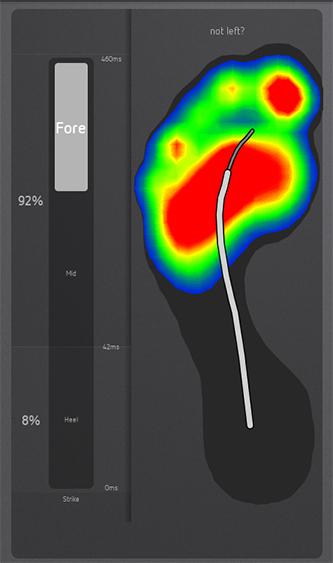
Gait Analysis: Simplified Stride Analysis
By walking naturally on the Feetbox pressure platform, additional metrics can be measured:
- Excessive pronation during the stance phase?

It will be easy for a sales representative in a running store to identify it and address it with a personalized, high-stability solution: a specific shoe and a supportive insole.
- A very short heel contact time during walking ?
You are likely facing a natural forefoot runner!
You can advise them on a shoe tailored to their running style.
Interpretation: The Key to Success
Data allows you to make the right choice of solutions, but the selection of information communicated to the customer and how it is presented changes their perception:
A good sales rep does not say: "You have a medium arch."
They say: "Given your foot type and support points, this model will provide you with more comfort and stability. Adding a supportive insole can also bring extra comfort and enhanced stability."
Beyond the data, the Feetbox is an experiential tool that becomes a key moment in the sales journey, serving as a genuine decision-making aid that enhances the value of the sales representative's advice. I
n short, it is not the technology that makes the difference... it is how it is used on the shop floor!
"The Feetbox EVO provides precise and comprehensive data: foot dimensions and volumes, pressure, arch, gait... but it is truly the way the sales representative interprets them and translates them into advice that makes the real difference."