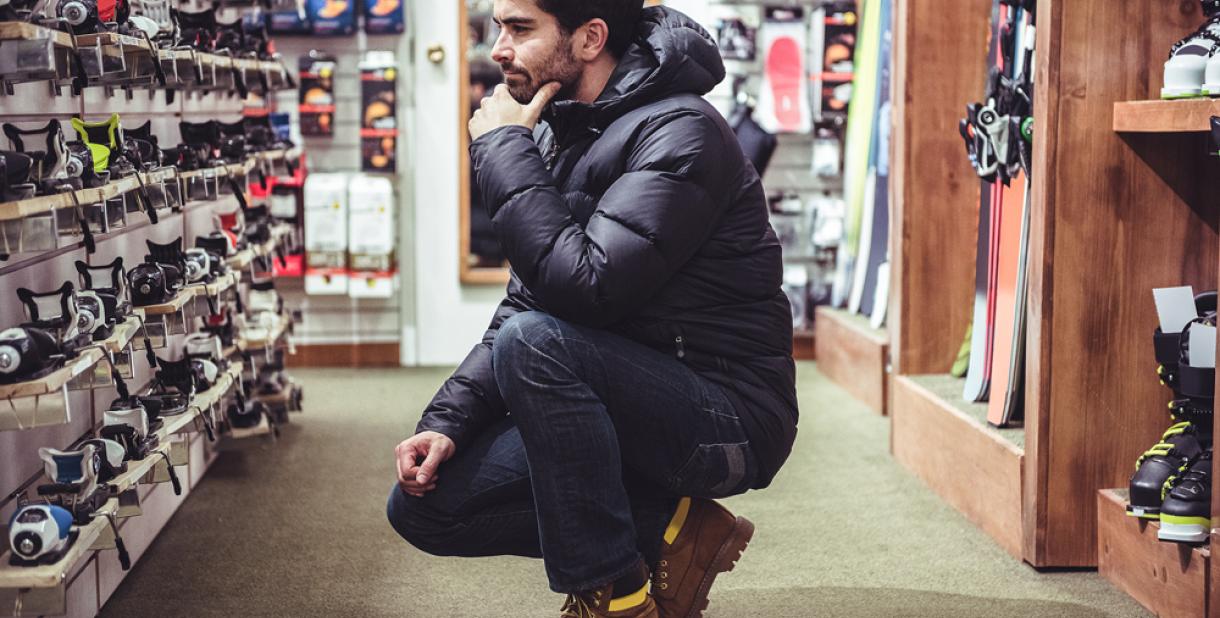
Why Does Showrooming Appeal So Much to Consumers?
Before looking for solutions, it is essential to understand what drives customers to act this way. The smartphone has revolutionized how people shop: in a matter of seconds, anyone can compare the in-store price of an item with prices offered by ten competing websites. This total price transparency mechanically works against physical stores, which carry overhead costs (rent, staff, inventory) that online platforms do not always have.
On top of that comes a real need: to touch, try on, and get advice. The store remains irreplaceable when it comes to reassuring customers before a major purchase. The problem is not that customers are coming into the shop—it is that they are not buying there.

Our Advice
Focus on the Experience, Not Just the Product
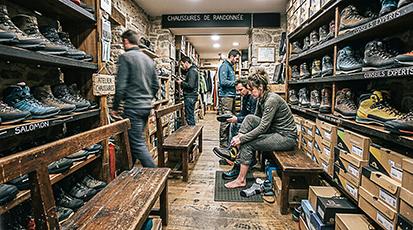
An e-commerce website can never replicate what a great sales representative, a well-curated atmosphere, or a successful fitting can provide. Enhance the in-store experience: offer personalized advice, product demonstrations, events, and workshops. The more value the in-store experience delivers, the less tempted the customer will be to "bypass" it just to save a few euros online.
A few simple levers:
- Organize exclusive events, such as testing days or evening events in-store. This helps build your community and creates genuine momentum around your shop.
- Offer services tied to human expertise! Internet retail will never replace hands-on know-how. Premium services like custom insoles, foot or running analysis, or a repair workshop create a clear point of differentiation from online sales. Above all, show off your expertise! A central in-store insole molding or analysis area, or a glass-walled bootfitting workshop, naturally attracts attention and leaves a positive, lasting impression.
- Work on store atmospheres! Ambience, colors, and multi-sensory interactions are highly appealing to customers and help boost retention and purchase conversion. Setting up test zones, hands-on products, or experiential and educational areas creates a strong impact by offering things online stores simply cannot match.
Develop a Digitalization Strategy
The goal is not to fight the internet—far from it. Rather, it is to leverage this established medium to build a unique, modern, and agile shopping experience. A few ideas:
- Integrating digital analysis into the customer journey creates an engaging experience around the digital sales process. As soon as a customer steps onto a machine, they enter a new dimension featuring fresh, captivating insights, such as pressure distribution maps. The sales rep still provides the core expertise by making this data easy to digest, but the machine lends credibility to their advice.
- Digitizing the sales floor often involves interactive kiosks or screens. These can truly energize an aisle by highlighting a product or an activity. They can also showcase your expertise by displaying a video of a bootfitter stretching a shell or injecting a liner. Meanwhile, interactive kiosks bridge the gap between online and physical shopping, allowing customers to view other available colors or sizes, or learn how a technical product works.
- Finally, link digital and physical spaces using QR codes across your shelves. These can redirect shoppers to tutorials or video advice.
Monetize and Value Your Expertise
It is important to remember that the sales process in your store belongs to you. You have full authority to set the terms of engagement, demonstrating once again that physical retail offers an experience distinct from anything online.
Here is how:
- Charge for your advice! This might sound intimidating, but charging for your knowledge is completely legitimate. For example, some stores charge for foot analysis if the customer does not make a subsequent purchase. This drastically reduces showrooming and allows you to focus your energy on genuine, motivated buyers.
- Another strategy is to separate assisted shopping from autonomous shopping. This means creating two distinct areas: a self-service zone where customers receive no advice, and a more prominent, premium space reserved for one customer at a time, where they are guided through every step starting with a foot analysis.
- Finally, a more direct approach is operating by appointment only. This guarantees that every customer who enters your store is highly qualified and ready to buy. However, this model may not be feasible for every retailer!
Offer Exclusivity!
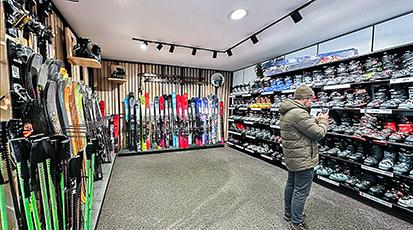
An effective strategy is to carry products, limited editions, or services that are not available online, or at least not right away. This can be achieved through brand partnerships, distribution exclusivity, or value-added services (customization, alterations, setup) that only make sense in a physical store.
Conclusion
Showrooming is not inevitable; it is a symptom of a store that has not yet figured out how to convert foot traffic into actual sales. By investing in customer experience, price consistency, omnichannel strategies, and strong client relationships, you stop fighting consumer behavior—and start turning it into a driver for your revenue.